
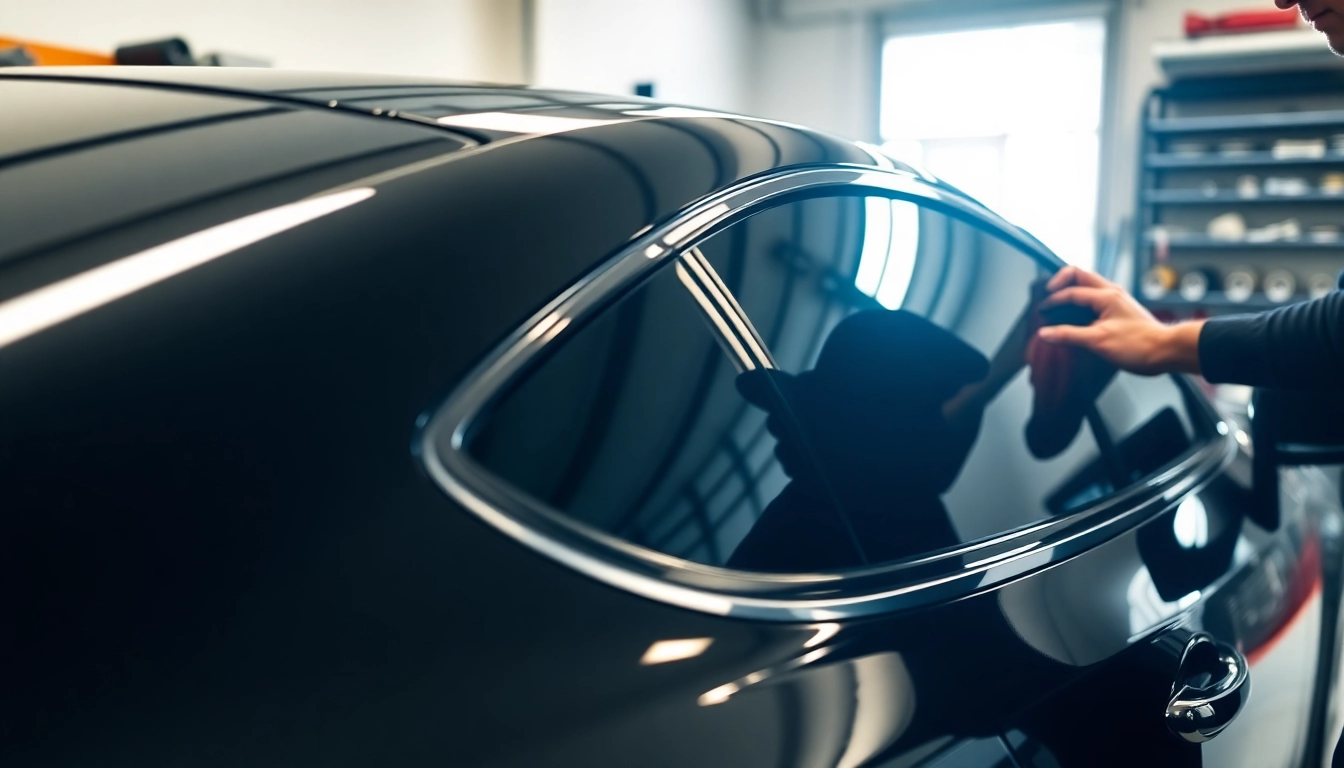
Understanding Ceramic Window Tint
What is Ceramic Window Tint?
Ceramic window tint is a high-quality film designed primarily for automotive and architectural applications. Unlike traditional window tints that are made from dyed materials or metalized particles, ceramic window tint uses advanced ceramic technology to provide high levels of heat rejection and UV protection without compromising visibility. The unique composition of this film allows it to achieve superior performance in terms of infrared heat rejection, making it an excellent choice for those looking to enhance their vehicle’s comfort and aesthetic appeal while also protecting interior surfaces.
Benefits of Ceramic Window Tint
Choosing ceramic window tint offers numerous benefits that go beyond aesthetics. First and foremost, one of the primary advantages is its exceptional heat rejection capability. Ceramic window tint can block up to 99% of harmful UV rays and a substantial amount of infrared heat, which helps maintain a cooler interior temperature and reduces reliance on air conditioning. This can lead to improved fuel efficiency, particularly in hot weather.
Additionally, ceramic window tint enhances privacy and security. The film provides a level of obscurity that makes it harder for outsiders to see into your vehicle, which can deter potential thefts. Furthermore, it protects occupants by minimizing glare, thus improving safety while driving.
Another critical advantage is its longevity. Unlike dyed films that may fade over time, ceramic window films are highly resistant to fading and offer a warranty that can range from a limited lifetime to several years, depending on the manufacturer. This makes ceramic tints a cost-effective long-term investment.
How Does Ceramic Window Tint Compare to Other Tints?
When comparing ceramic window tint to other types of tint, such as dye and metallic films, the differences in performance and durability are significant. Dyed films typically provide minimal heat rejection and can fade over time, leading to a need for premature replacement. In contrast, metallic films can offer better heat rejection than dyed films but often come with downsides such as interference with electronic devices, including GPS and cell signals.
Ceramic window tint stands out due to its non-metallic and non-dyed nature. It doesn’t interfere with electronic devices and won’t fade, crack, or bubble even under extreme conditions. Moreover, it maintains clarity and color stability much longer, providing a superior aesthetic without the drawbacks commonly associated with other window films.
Installation Process of Ceramic Window Tint
Preparation Steps Before Installation
Proper preparation is essential for ensuring a successful installation of ceramic window tint. Begin by cleaning the windows thoroughly to remove dirt, grease, and residues. Manufacturers recommend using a specialized window cleaner that doesn’t leave streaks. The installation area should also be dust-free; consider performing the installation in a garage or shaded area to avoid dust particles and direct sunlight that can affect the curing process.
Once the window is clean, it’s important to measure and cut the tint film accurately. Use a template or pre-cut film that fits the specific dimensions of your vehicle’s windows. Accurate cutting will minimize the risk of bubbles or peeling during installation.
Step-by-Step Installation Guide
The installation of ceramic window tint can be broken down into several key steps:
- Dry Fit: Before applying adhesive, place the ceramic film on the window to ensure it fits correctly.
- Apply Solution: Use a solution of soap and water to moisten the glass and the adhesive side of the film. This will allow for adjustment during application.
- Position Film: Carefully position the film on the window, being mindful of avoiding bubbles. Start from the top and work downwards.
- Squeegee Out Bubbles: Using a squeegee, gently push out any trapped air and excess solution. Work from the center to the edges.
- Trim Excess Film: Once the film is in place, trim any excess film around the edges for a precise fit.
- Final Cure: Allow the film to cure properly, which may take a few hours, depending on temperature and humidity conditions.
Common Mistakes to Avoid
To ensure a successful installation, avoid common pitfalls such as not cleaning the windows thoroughly, rushing through the application, or applying the film in direct sunlight, which can lead to premature sticking and the formation of bubbles. Be sure to use quality tools such as a proper squeegee and utility knife to ensure an even and precise application.
Additionally, miscalculating the film size is a frequent mistake. Always account for trimming space while cutting, and don’t hesitate to seek help if the process feels overwhelming. Hiring a professional can mitigate these risks and ensure a flawless finish.
Maintaining Your Ceramic Window Tint
Cleaning Techniques for Longevity
To keep your ceramic window tint looking pristine, regular maintenance is vital. Use a soft microfiber cloth for cleaning, as harsher materials can scratch or damage the tint. A solution made specifically for window films is ideal, but a mix of mild soap and water can work as well.
Always apply cleaner to the cloth rather than directly onto the film to prevent streaks. Avoid ammonia-based cleaners, which can degrade the film over time. For stubborn spots, dampen the cloth and gently rub the area instead of using abrasive scrubbing action.
What to Avoid After Installation
After installation, certain precautions are necessary to preserve your ceramic window tint. Avoid rolling down the windows for at least 48 hours to allow the film to set properly. Additionally, do not clean the windows with any harsh chemicals or scrub the surface for the first week; this allows the adhesive to fully bind with the glass.
Also, trying to remove or replace the film too soon can lead to damage; it’s best left to professionals if changes need to be made post-installation.
Signs You Need a Reapplication
Monitoring the condition of your ceramic window tint will help you identify when it needs reapplication. Signs include noticeable fading, bubbling, or cracking of the film. If the tint begins to allow excessive heat through or UV rays are affecting your vehicle’s interior, it may be time to consider a replacement. Although ceramic tints are known for their longevity, exposure to extreme weather conditions can affect their lifespan.
Choosing a Professional for Installation
Key Qualities to Look For
When seeking a professional for ceramic window tint installation, choose an installer with experience and a solid reputation. Look for certifications or training that demonstrate their expertise in applying window films. Quality of work should be evident in their portfolio, showcasing that they have worked on various vehicle types and models.
Additionally, prioritize customer service. A professional should answer your questions thoroughly and provide a clear understanding of the products they offer, including warranties and post-installation care.
Questions to Ask Your Installer
Asking questions can help gauge the installer’s knowledge and reliability:
- What brands of ceramic window tint do you recommend?
- How long will the installation take?
- Can you show examples of previous work?
- What warranties do you offer?
- Are you familiar with the specific type of vehicle I have?
Reviewing Installer’s Portfolios and Testimonials
Always review the portfolio of work submitted by an installer. Look for clear before-and-after photos that highlight their craftsmanship and results. Testimonials from past clients provide valuable insights into an installer’s reliability and quality of customer service. Look for feedback regarding the installation process, the quality of films used, and how well the tint has held up over time.
Frequently Asked Questions
What is the lifespan of ceramic window tint?
Ceramic window tint typically has a lifespan of 10 years or more, depending on the quality of the film and environmental conditions.
Is ceramic window tint worth the investment?
Yes, ceramic window tint is often considered worth the investment due to its durability, heat rejection capabilities, and long-term savings on cooling costs.
Can ceramic window tint block UV rays and heat?
Yes, ceramic window tint can block up to 99% of harmful UV rays and significantly reduce heat from sunlight.
Will ceramic window tint affect visibility at night?
No, ceramic window tint is designed to maintain excellent visibility during both day and night, ensuring clarity.
How do I know if my ceramic window tint is of high quality?
High-quality ceramic window tint is characterized by superior heat rejection, maintaining clarity, and a warranty that guarantees durability.